
Mauritius rum, its distilleries and what to taste
Mauritius rum is distilled from fresh cane juice or from molasses, and since the end of December 2024 it has been protected by a national geographical indication, Mauritius Rum, which counts seven distilleries (CSQA, January 2025). Distilling straight from cane juice only became legal in 2006, so cane juice rums in Mauritius, Chamarel’s among them, are a young tradition. Three distilleries publish visiting hours, and the Rhumerie de Chamarel is the one in the south-west.
Read the guide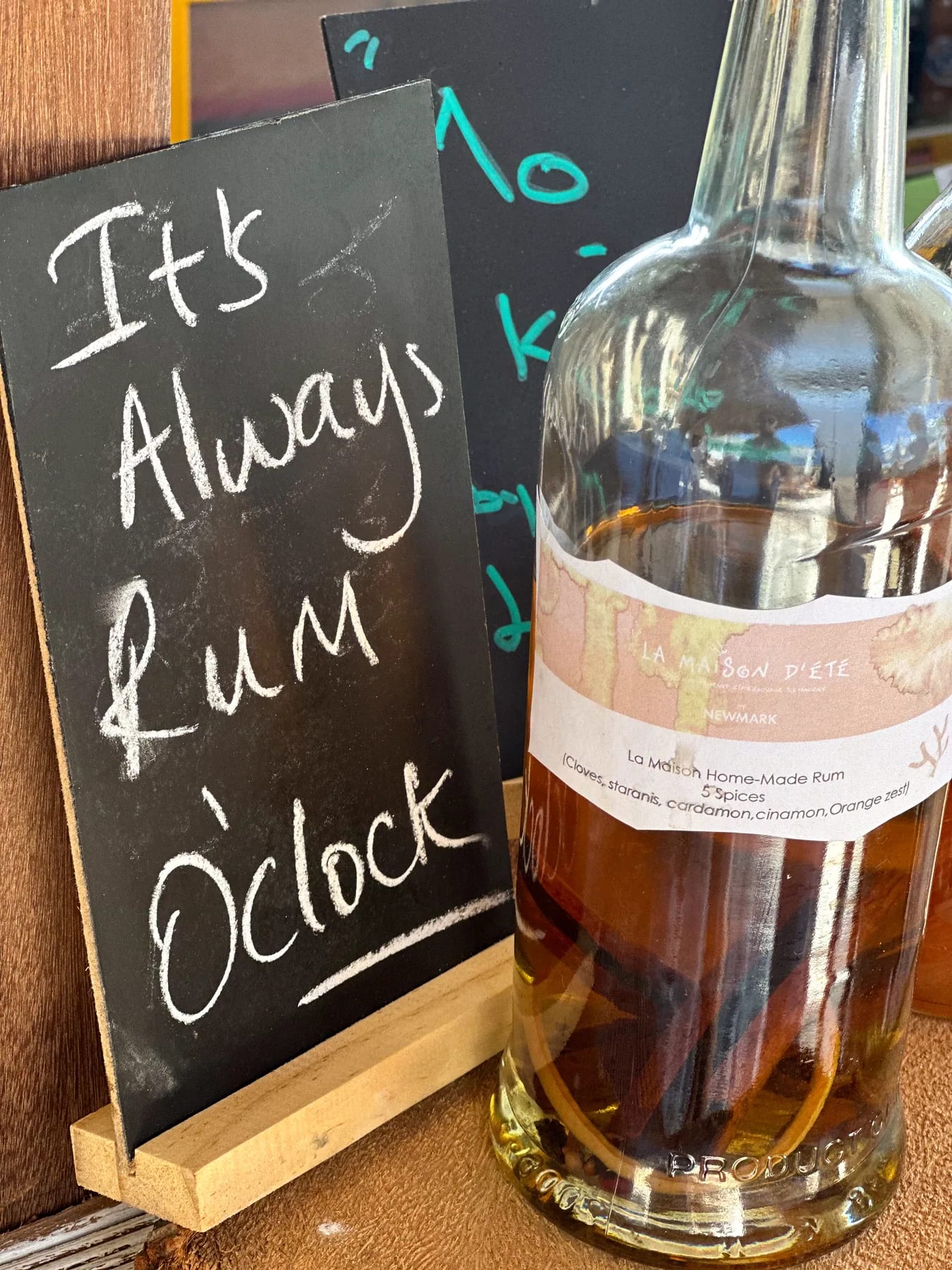
What rum is made in Mauritius?
Mauritius makes rum from two raw materials, fresh sugar cane juice and molasses, and since the end of December 2024 both have been covered by the national geographical indication Mauritius Rum, which ties the rum to local molasses or cane juice distilled within a defined area of 1,865 km² of the main island (CSQA, January 2025).
The scheme was set up with CSQA, an Italian certification body, in a project funded by the European Union. It counts seven distilleries in the rum supply chain, and the spirit it certifies is typically rounded and soft, with aromas that vary with the style of distillation. The same project certified a second geographical indication, Mauritius Unrefined Sugar, whose two mills process cane from about 6,000 growers and produce about 150,000 tonnes of sugar a year, the industry that also supplies the molasses for rum.
The Rhumerie de Chamarel announced a joint launch by the seven distilleries of a shared mark, Mauritius Rum Certified, on 17 September 2026. The announcement does not name the other six distilleries, and no official list of the seven is published.
Distilleries are only part of the picture. More than 60 producers buy new spirit and then flavour or age it themselves, a count that dates from more than a decade ago, so there are far more Mauritian rum brands than there are stills.
How cane juice rum differs from molasses rum
Cane juice rum is distilled from the fresh juice of crushed sugar cane, while molasses rum is distilled from molasses, the thick syrup left over when cane juice is boiled down to make sugar.
The French word agricole is often used for the cane juice style, and the Rhumerie de Chamarel calls its own rums rhums agricoles. Making alcohol from cane juice was banned in Mauritius until 2006, which is why cane juice rum here is a young tradition. The Rhumerie de Chamarel opened two years after the change, in 2008.
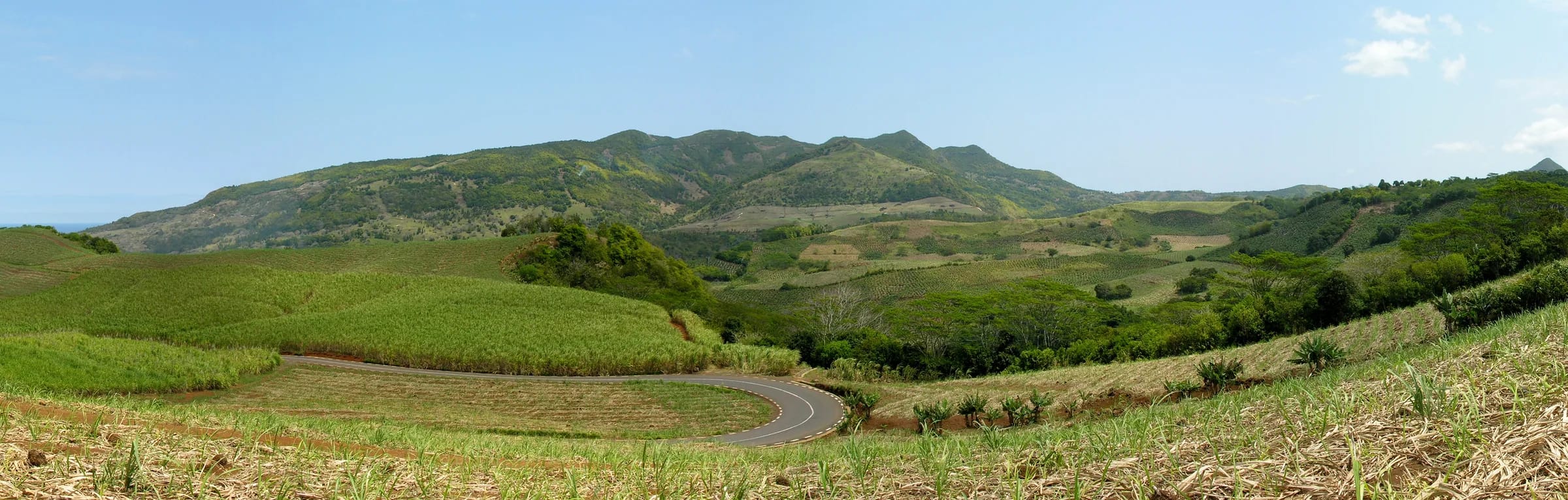
Cane juice rum is made during the cane harvest, from cane crushed soon after cutting, and at Chamarel the cane is cut by hand and never burned. The examples in the table come from a survey more than a decade old, so treat them as a starting point rather than a current product list.
| Point | Cane juice rum | Molasses rum |
|---|---|---|
| Made from | Fresh juice pressed from the cane | Molasses left from sugar making |
| Other names | Agricole style, pure cane juice rum | Traditional rum |
| Examples | Chamarel, Labourdonnais, St Aubin | New Grove, Pink Pigeon |
Rum distilleries in Mauritius you can visit
Three Mauritian rum distilleries publish visiting hours, the Rhumerie de Chamarel in the south-west, the Distillerie de Labourdonnais on the Domaine de Labourdonnais estate in the north, and New Grove, whose visitor experience is at L’Aventure du Sucre in Pamplemousses (all checked on 29 October 2026).
Only the Rhumerie de Chamarel fits into a day with the Seven Coloured Earth, the Chamarel waterfall and Ebony Forest. The Domaine de Labourdonnais and L’Aventure du Sucre are in the north of the island and make a separate day.
The New Grove experience at L’Aventure du Sucre shows a copper column, a traditional pot still, a maturation tank and oak barrels, and explains the fermentation of molasses through to blending, without saying whether rum is poured. The Domaine de Labourdonnais offers blind tastings of premium rums and a session to make your own blend, with prices in a separate rate sheet.
St Aubin also distils from cane juice. No official visiting page is published for it, so it is not in the table.
| Distillery | Where | Made from | Visiting, as published |
|---|---|---|---|
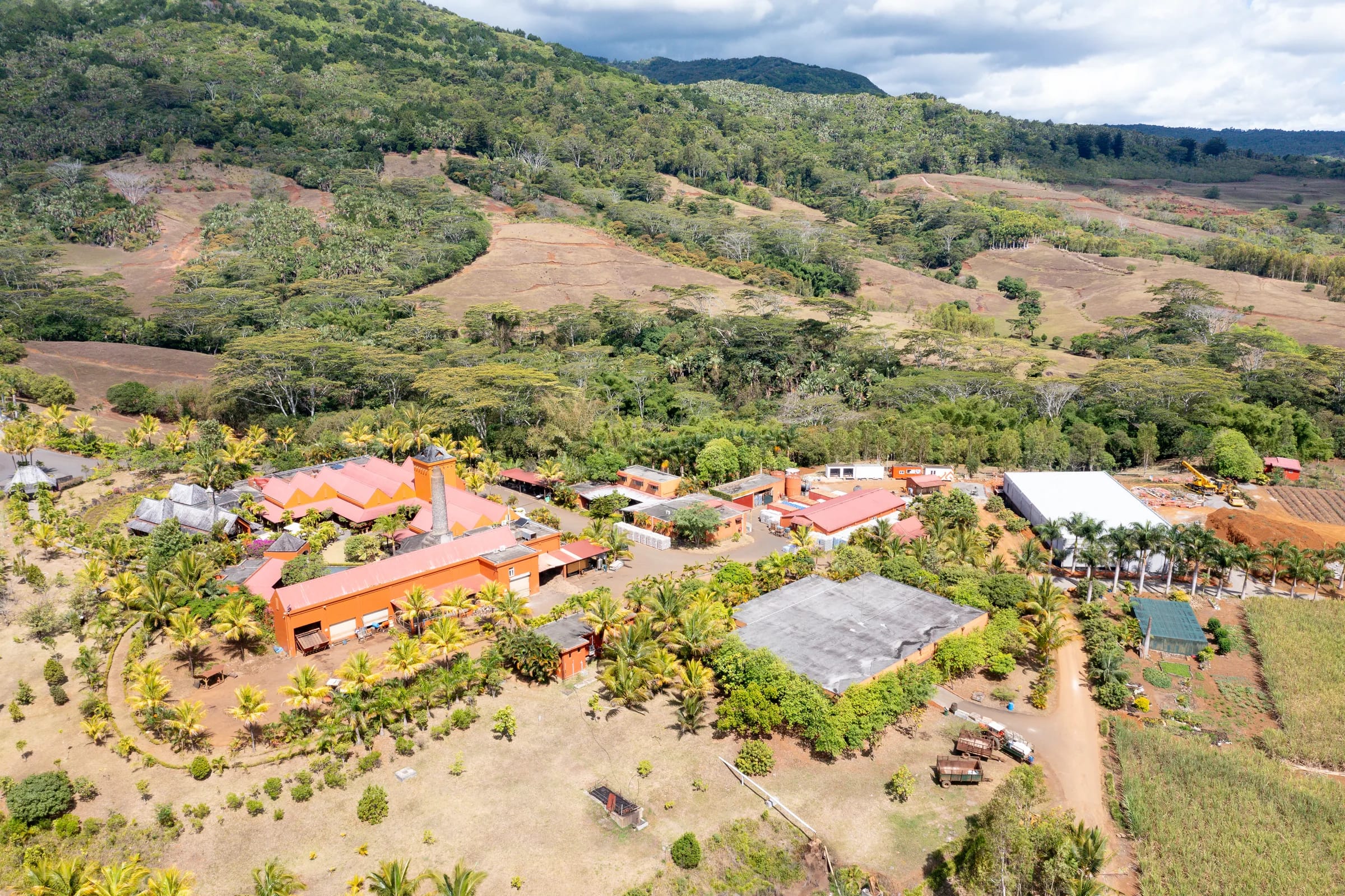
| Rhumerie de Chamarel | Chamarel, south-west | The estate’s own cane juice | Guided visit and tasting, Monday to Saturday, 09:30 to 16:30, Rs 800 per person |
| Distillerie de Labourdonnais | Domaine de Labourdonnais, north | Fresh cane juice | Rum tastings and blending sessions on the estate, open 09:00 to 17:00, last admission 15:45 |
| New Grove | L’Aventure du Sucre, Beau Plan, Pamplemousses, north | Molasses | Distillery experience at the end of the museum tour, Monday to Saturday, 10:00 to 16:00 |
What is the best rum in Mauritius?
No official body ranks Mauritian rums, so the best rum in Mauritius is the one that suits your taste, and the quickest way to find it is to taste the main styles side by side.
Start with a white cane juice rum, the style closest to the fresh cane, then an aged rum, then a molasses rum to compare the two raw materials. Taste the rhums arrangés and the liqueurs last, because they are flavoured with fruit, vanilla or spices and are usually sweeter. Smell each rum before you sip it, keep the sips small and drink water between glasses, which matters most with the white rums at full strength.
Rhum arrangé, rum steeped with fruit or spices, is common across Mauritius. Pineapple, vanilla, coconut and passion fruit are the usual infusions, and the Rhumerie de Chamarel includes rhums arrangés and liqueurs in the tasting that ends its visit.
Mauritius rum tasting near Chamarel
The nearest Mauritius rum tasting to Chamarel is at the Rhumerie de Chamarel, where the Rs 800 guided visit, run Monday to Saturday from 09:30 to 16:30, ends with a tasting of the house’s white rums, wood-aged rums, old rums, rhums arrangés and liqueurs (checked on 29 October 2026).
No booking is needed for the standard visit, but allow about 20 minutes at reception, and the distillery is closed on Sundays. The Rhumerie de Chamarel page covers the private visit, lunch at L’Alchimiste and the age rules.
If you are driving, keep the tasting to a sip of each rum or let a passenger taste for you. Drink-driving is an offence in Mauritius, and the roads off the hill are winding mountain roads.
How much rum you can take home
How much rum you can take home from Mauritius depends on the country you arrive in. A traveller arriving in Great Britain from outside the UK may bring 4 litres of spirits over 22% alcohol without paying duty, and a traveller entering the European Union from outside it may bring 1 litre (GOV.UK page updated on 8 November 2024 and the EU’s Your Europe page last checked by the EU on 21 September 2026, both read on 29 October 2026).
In Great Britain the spirits allowance is shared with a 9-litre allowance for other drinks up to 22%, so 2 litres of rum and 4.5 litres of fortified wine also fit. In the European Union the litre of spirits is an alternative to 2 litres of fortified or sparkling wine, on top of 4 litres of still wine and 16 litres of beer. Neither allowance applies to travellers under 17.
Other countries, including India and South Africa, set their own limits, so check with your own customs authority before you buy. Rum liqueurs over 22% alcohol count as spirits. Wrap bottles well and pack them in checked luggage.
Questions people ask
What rum is made in Mauritius?
Mauritius makes rum from fresh cane juice and from molasses. Since the end of December 2024 both styles have been covered by the national geographical indication Mauritius Rum, which counts seven distilleries (CSQA, January 2025). Chamarel, Labourdonnais and St Aubin distil from cane juice, and New Grove and Pink Pigeon are molasses rums.
Is Mauritian rum agricole?
Some Mauritian rum is made the agricole way, from fresh cane juice, and some is made from molasses. The Rhumerie de Chamarel calls its rums rhums agricoles in French, and Labourdonnais and St Aubin also distil from cane juice. Distilling from cane juice has been legal in Mauritius since a ban was lifted in 2006, so the style is still young here.
How many rum distilleries are there in Mauritius?
The national geographical indication Mauritius Rum counts seven distilleries in its supply chain (CSQA, January 2025). The Rhumerie de Chamarel announced that the seven would launch a shared mark, Mauritius Rum Certified, on 17 September 2026. There are many more brands than distilleries, because some producers buy spirit and age or flavour it themselves.
Where can I do a rum tasting in Mauritius?
The Rhumerie de Chamarel in the south-west offers a guided visit with tasting for Rs 800, Monday to Saturday from 09:30 to 16:30. In the north, the Domaine de Labourdonnais runs rum tastings and blending sessions, open 09:00 to 17:00, and L’Aventure du Sucre in Pamplemousses ends its museum tour with a New Grove distillery experience (all as published on 29 October 2026).
How much rum can I take home from Mauritius?
The limit is set by the country you arrive in. Great Britain allows 4 litres of spirits over 22% for travellers arriving from outside the UK, and the European Union allows 1 litre of spirits over 22% for travellers arriving from outside the EU, with no allowance for under-17s in either (official pages read on 29 October 2026). Other countries set their own limits.
What is the best rum in Mauritius?
No official ranking of Mauritian rum exists, so the best rum in Mauritius is a matter of taste. The useful way to choose is to compare a white cane juice rum, an aged rum and a molasses rum side by side, then try the rhums arrangés last. The Rhumerie de Chamarel’s tasting covers white, wood-aged and old rums, rhums arrangés and liqueurs.
Taste it where it is made
The Rhumerie de Chamarel guide covers the visit, the private tour, lunch at L’Alchimiste and the Sunday closure.